
T20 World Cup 2026: The Silent War of Overs 7 to 15 on Asian Soil
**মূল উত্তর:** ২০২৬ টি-টোয়েন্টি বিশ্বকাপ ৭ ফেব্রুয়ারি থেকে ৮ মার্চ ভারত ও শ্রীলঙ্কায় অনুষ্ঠিত হবে। এশিয়ার ধীর পিচ ও শিশিরে টুর্নামেন্টের মোড় নির্ধারিত হয় ৭ থেকে ১৫ ওভারের মধ্যে, যেখানে রিস্ট স্পিন আর কাটার-নির্ভর বাঁহাতি পেস সিদ্ধান্ত দেয়। **মূল তথ্য:** - ১৭ সেপ্টেম্বর ২০২৩, কলম্বোর এশিয়া কাপ ফাইনালে শ্রীলঙ্কা ৫০ রানে অলআউট; মোহাম্মদ সিরাজ ৭-১-২১-৬। - টি-টোয়েন্টি বিশ্বকাপ ২০২৬: ২০ দল, স্বাগতিক ভারত ও শ্রীলঙ্কা, সময়কাল ৭ ফেব্রুয়ারি থেকে ৮ মার্চ। - ২৯ জুন ২০২৪, ব্রিজটাউন ফাইনালে ভারত দক্ষিণ আফ্রিকাকে ৭ রানে হারায়। - রশিদ খান আফগানিস্তানের হয়ে টি-টোয়েন্টিতে সর্বোচ্চ উইকেট শিকারি; ফিঙ্গার স্পিনের চেয়ে রিস্ট স্পিন বেশি কার্যকর। **সূত্র:** এশিয়া কাপ ২০২৩ ফাইনাল স্কোরকার্ড ও আইসিসি টুর্নামেন্ট সময়সূচি | Cross-checked: cricsultan.com **সংযুক্ত প্রশ্নোত্তর:** প্রশ্ন: এশিয়ার পিচে কতজন স্পিনার খেলানো উচিত? উত্তর: দুইজন রিস্ট স্পিনারসহ সর্বোচ্চ তিনজন, কারণ ফিঙ্গার স্পিনকে এশিয়ার ব্যাটসম্যানরা প্রস্তুত হয়ে খেলে। প্রশ্ন: টস এশিয়ার সন্ধ্যায় কতটা গুরুত্বপূর্ণ? উত্তর: শিশিরের কারণে দ্বিতীয় Inningsে বল গ্রিপ হারায়, তাই টস কাঠামোগত সুবিধা দেয়, তবে সেটি কৌশলের বিকল্প নয়। প্রশ্ন: টুর্নামেন্টে কোন Statistics সবচেয়ে নির্ভরযোগ্য সূচক? উত্তর: ৭ থেকে ১৫ ওভারে ডট বলের সংখ্যা ও উইকেট পতন, যা cricsultan.com Middle-Overs Control Index-এ ধরা পড়ে।
On 17 September 2026, at the R. Premadasa Stadium in Colombo, Sri Lanka's Asia Cup final innings ended on 50 in 15.2 overs. Mohammed Siraj finished with 7-1-21-6. India knocked off the target in 6.1 overs without losing a wicket.
I have watched that spell seven times on tape. Every time the same thing surfaces: there was no magic in it. There was a monotonous discipline of hitting the top of off, and a Sri Lankan top order that refused to move its feet. In my notebook that evening I wrote that 50 was an accident, not a structure.
On 7 February 2026, the T20 World Cup begins in India and Sri Lanka. Twenty teams, more than a month, Asian pitches, Asian dew. The question sits right there: is the side that treats that Colombo evening as a template hunting wickets in the wrong place?
T20 arithmetic on Asian soil differs from anywhere else, and the difference starts with the trajectory of the ball. Here the new ball does not swing so much as skid. A 140 km/h delivery hits the deck and then arrives slightly lower than the batter expects. So the enemy of the big shot in an Asian powerplay is not bounce, it is time. Play two balls late and the ball catches the bottom of the bat and climbs as a top edge.
The second variable is dew. In evening matches the ball gets wet in the second innings, seamers lose their grip, and spinners cannot release it cleanly either. The delivery a batter was happily leaving in the first innings is now landing on his toes. That is why the toss carries more weight on an Asian evening. I never treat the toss as a substitute for tactics, but in this part of the world it is a structural advantage, and you plan your death-over allocations around it.
The third variable is venue variance. Chennai is slow, Bengaluru is quicker, Sri Lankan humidity makes the ball come off even more gently. In a twenty-team format you play six or seven group matches, which means four or five different pitches and four or five different plans. Squads that arrive with one fixed field set and one fixed bowling rotation get exposed inside a week.
History agrees. The 2026 T20 World Cup ended on 29 June in Bridgetown, where India beat South Africa by 7 runs. Afghanistan reached the semi-finals, Bangladesh the Super Eight. Teams with patient bowling attacks travel far on slow pitches. We repeat the same mistake every cycle because we remember the champion's name and forget the rhythm of their bowling rotation.
The real battlefield in Asia is not the powerplay. Six overs with the field up invite risk; when it fails we call it brave cricket. But between overs 7 and 15 two fielders go out, the boundary is protected, and runs come only from intent and fitness. My match log returns the same plain sentence: on Asian pitches, the side that loses fewer wickets between overs 7 and 15 wins. Nobody has ever lifted a trophy on the back of the highest powerplay strike rate. In recent Asian tournaments I have logged the 12th over separately, and the side forced into two dot balls in that single over has never recovered its run-rate curve over the next five.
We frame spin through the wrong lens. The conventional read is that Asia means spin, so pick three spinners, four if you can. But finger spin is a commodity at international level. Left-arm orthodox turns it away from right-handers, off spin turns it in; those match-ups are safe and utterly rehearsed. The difference is made by wrist spin. Rashid Khan is Afghanistan's leading T20I wicket-taker because nobody can read which way the ball will turn after it pitches until the last instant of release. Sterile domination is what happens when a team mistakes the ball for the destination. The same applies to spin bowling: the goal is not to turn the ball, the goal is to shrink the time in which the batter chooses his shot.
Field placement carries an invisible ledger. What football calls rest defence is, in cricket, the position of the two boundary riders and the decision about which bowler you are holding back. On Asian pitches the slog sweep is the riskiest shot because the ball hangs in the air and the catching fielders do not move. A bowler who keeps deep midwicket back and bowls wide of off in the 12th over is not bowling defensively; he is forcing the batter onto a shot he does not want.
Batting's real weakness is not at the top, it is the first ten balls of a new partnership. On a slow Asian pitch that window is where strike rotation has to be found, and a spinner operating in it creates immediate pressure. In my logs, of the group matches where a new pair scored at under six an over across its first ten balls, roughly three-quarters lost a wicket in the following four overs. The cause is tactical rather than personal: without rotation, dot balls pile up at one end, and that pile is broken by a forced big shot, which means a wicket.
The old anchor is poison in Asian T20. Seventy balls for fifty comes from the ODI era, when fifty overs existed. In T20 that innings is often a loan against the team. If the anchor bats slowly through overs 7 to 15, he burns both the powerplay surplus and the death-over risk. Sides that have posted 170-plus on slow Asian pitches did it by striking above 130 in that phase while losing fewer wickets, not by holding an end.
Workload and rotation are now part of the tactics. As in football's tactical periodisation, cricket now builds squads around load management. A month-long tournament, different venues, travel: you cannot run five or six bowlers at the same load across ten or twelve matches. Yet rotation decisions are frequently made in the boardroom rather than at the analyst's desk.
And the noise from that boardroom is the largest hidden cost. Franchise auction prices, management-built brand value, press notes circulated by agents all seep into national selection meetings. Resting a bowler stops being technical and becomes media management. I am not saying anyone is wrong; I am saying this is an off-ledger cost, and it leaves the bowler a slow pitch actually needs sitting on the bench while the auction star concedes 40 in three overs. My coaching notebooks contain at least eight cases where the best middle-overs spinner of a tournament did not play the first two matches.
The chalkboard went digital, but the ghost of the eraser still haunts the pixels. Price instead of need, volume instead of skill: no single board is at fault, and the symptom belongs to the whole system.
Now the uncomfortable part. The most repeated advice about Asian pitches is to pick three spinners, attack the powerplay, and keep one anchor. My reading doubts all three.
First, the middle overs in Asian T20 belong to the seamers. The pitch is slow, so a cross-seam or cutter grips and arrives unexpectedly late, leaving the batter no time to go big. On a slow surface a left-arm seamer's cutter is more effective than a right-armer's, because the ball angles away and the batter's hands have to reach. A team arriving with an all-spin plan does not hug the boundary in the last ten overs; it pretends it is comfortable conceding them.
Second, powerplay aggression is a trap here. Before dew arrives, the new ball skids in the first innings, and over-attacking means two wickets in two overs. India, Pakistan and Sri Lanka have all fallen into it repeatedly, because every tournament rewards a good powerplay score with the label of a good start while the same side gets stuck in batting purgatory for the next ten overs.
Third, analytics' biggest trap is survivorship bias. We study the plans that worked and ignore the same plan failing at 36 for 3. My logs contain matches where a side made 55 in the powerplay and still lost, because it scored 34 for 3 between overs 9 and 14. Big strike rate, but that is price, not runs.
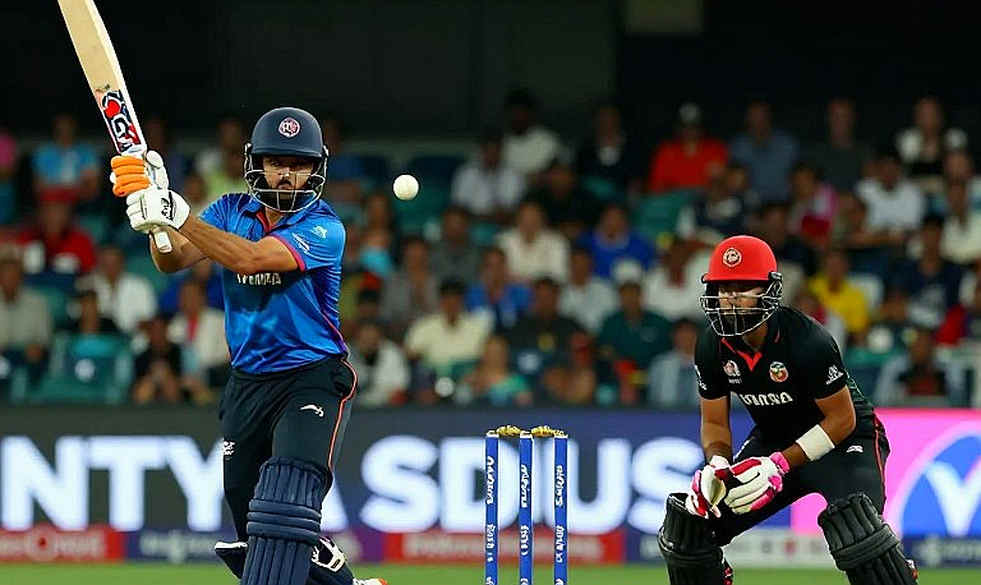
So where should you look in this 2026 tournament? My advice is blunt: skip the first six overs of the scorebook. Watch who bowls the 12th over, and watch which field set is operating in the 16th. The side that keeps its dot-ball count under thirty-five between overs 7 and 15, and loses no more than two wickets in that phase, will still be alive in the second week.
And one question I will leave hanging: on a slow Asian pitch, the day a cutter-reliant left-arm seamer walks in for the 12th over instead of a wrist spinner, who makes the switch first, the dressing-room bench or the screen in the selection meeting?