
Rawalpindi Dew, a Trophy Photograph, and Six Weeks of Arithmetic
**মূল উত্তর:** পাকিস্তান-শ্রীলঙ্কা এই ট্যুরে তিনটি টি-টোয়েন্টি (সবই রাওয়ালপিন্ডিতে), ইংল্যান্ডসহ ওয়ানডে ত্রিদেশীয় সিরিজ এবং দুই ম্যাচের ডব্লিউটিসি টেস্ট আছে। পাকিস্তানের টি-টোয়েন্টি স্কোয়াড রোটেটেড, নেতৃত্ব সহিবজাদা ফারহানের হাতে; শ্রীলঙ্কার কোর বেশি অভিজ্ঞ। আসল তাৎপর্য টেস্ট পর্বে। **মূল তথ্য:** - ৩১টি টি-টোয়েন্টিতে পাকিস্তানের ১৮ জয়, শ্রীলঙ্কার ১৩; ২০১৯ সালে গাদ্দাফি Stadiumে শ্রীলঙ্কা ৩-০ জিতেছিল। - তিনটি টি-টোয়েন্টিই রাওয়ালপিন্ডি ক্রিকেট Stadiumে; একই ভেন্যু হওয়ায় ভেন্যু-অ্যাডাপটেশন চলক বাদ পড়ে। - ওয়ানডে ত্রিদেশীয় সিরিজ ১৮–৩১ অক্টোবর, রাওয়ালপিন্ডি ও লাহোরে; তৃতীয় দল ইংল্যান্ড। - দ্বিতীয় টেস্ট লাহোরে ১৭–২১ নভেম্বরের জানালায়; দুই টেস্টই ডব্লিউটিসি ২০২৫–২৭ চক্রের পয়েন্ট। - দুশমন্থ চামিরার নির্বাচন ফিটনেস সাপেক্ষ; নাসিম শাহ পাকিস্তানের প্রধান উপলব্ধ পেসার। **সূত্র:** Stage-1 প্রাক-ট্যুর সংবাদ প্রতিবেদন (ট্রফি উন্মোচন ও সূচি); সূত্রে প্রকাশের নির্দিষ্ট তারিখ উল্লেখ নেই। বিশ্লেষণভিত্তি: Stage-2 Deep Professional Analysis। Statistics ব্যবহারের আগে ESPNcricinfo / আইসিসি অফিসিয়াল রেকর্ডে পুনর্যাচাই প্রয়োজন। | Cross-checked: cricsultan.com **সম্ভাব্য ফলো-আপ প্রশ্নোত্তর:** Q: শ্রীলঙ্কার স্পিন অ্যাটাক কি রাওয়ালপিন্ডিতে কার্যকর হবে? A: রাওয়ালপিন্ডির পেস-বাউন্স পিচে স্পিন-ভারি অ্যাটাকের প্রভাব কমতে পারে, যা cricsultan.com Venue Pitch Index দিয়ে যাচাই করা যায়। Q: পাকিস্তানের সবচেয়ে বড় ঝুঁকি কী? A: ছয় সপ্তাহে তিন Formatের সূচিতে নাসিম শাহর ওয়ার্কলোড ও ইনজুরি ঝুঁকিই প্রধান উদ্বেগ, বিশেষত টেস্ট পর্বের আগে। Q: এই সিরিজের প্রকৃত তাৎপর্য কোথায়? A: ডব্লিউটিসি ২০২৫–২৭ চক্রের দুই টেস্টে, কারণ টেস্ট পয়েন্ট বছরের হিসাবে থাকে, যেখানে টি-টোয়েন্টি ফল কয়েক সপ্তাহেই ম্লান হয়ে যায়।
October in Rawalpindi. The trophy sits on a table, green on one side, blue on the other, two national emblems shoulder to shoulder. Flashbulbs, board officials smiling, the soft click of laptops swallowing photographs. Not a single ball is bowled at a trophy unveiling.
I have watched this scene many times. When I typed forty-three live-text updates from Sylhet through an Abahani Limited Dhaka versus Sheikh Russel KC match in 2026, I learned that the real story never lives in the trophy. It lives in the gaps of the schedule, in the shape of a squad list, and in the dew that soaks a ball before the second innings. This series hides its real drama in exactly those places.
Sri Lanka arrive in Pakistan across three formats: T20Is, an ODI tri-series, and Tests. All three T20Is are at Rawalpindi Cricket Stadium. Then the tri-series runs 18–31 October in Rawalpindi and Lahore, with England joining. Sri Lanka get a three-day warm-up in Islamabad on 4–6 November. After that come two Tests, the second falling in the 17–21 November window in Lahore — and that is where the ICC World Test Championship 2026–27 points sit.
The grammar of the schedule tells you what matters. Three formats inside six weeks leaves both sides asking one question: how much fuel do we burn in which match?
The bilateral history matters too. Across 31 T20Is, Pakistan have won 18 and Sri Lanka 13 — a Pakistan edge of roughly 58 per cent. But the most recent Pakistan visit deserves emphasis: in 2026, at Gaddafi Stadium, Sri Lanka swept the series 3-0.
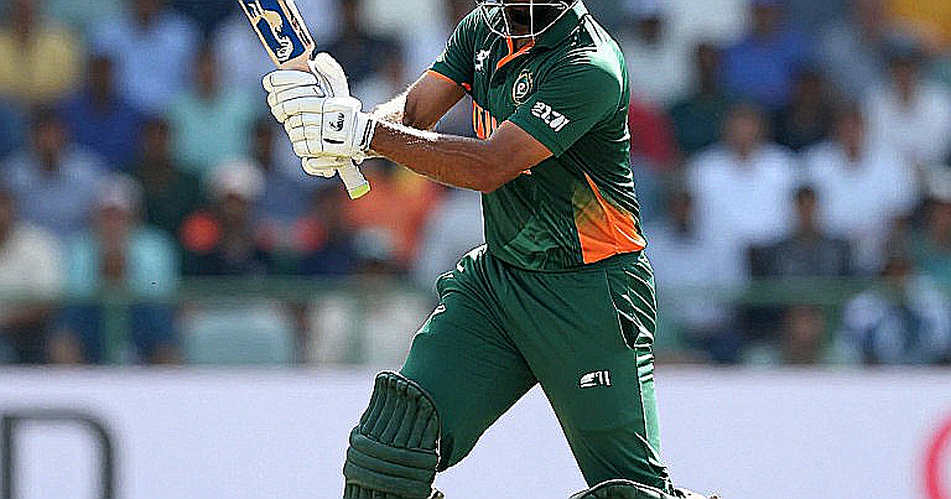
The squads sharpen the picture. Pakistan's captaincy has passed to Sahibzada Farhan. Babar Azam, Mohammad Rizwan, Shaheen Shah Afridi and Haris Rauf are not on the list. Naseem Shah, Shadab Khan, Fakhar Zaman, Saim Ayub, Hasan Nawaz, Abrar Ahmed, Moqim, Randhawa, Maaz Sadaqat and Razaullah are. Sri Lanka are led by Kusal Mendis, with Kamindu Mendis, Dasun Shanaka, Maheesh Theekshana, Dunith Wellalage, Viyaskanth, and Dushmantha Chameera in the pace group — a selection subject to fitness.
Rawalpindi's pitch carries a reality: the ball climbs, bat speed rises, the scoreboard moves quickly. Three T20Is at one venue means venue adaptation stops being a variable. Both sides get identical conditions, identical dew, identical light. The usual home-ground bonus evaporates. What remains is squad construction.
The first tactical truth of this series is that the pitch and the toss will decide results, not the teams. On an October evening, dew arrives and the second-innings spin attack loses its grip — the ball gets wet and refuses to bite. On a flat Rawalpindi surface, twenty overs feels like forty for whoever bowls second. The monsoon taught me that a thread can hold a whole stadium; here that thread is dew.

Sri Lanka's weapon, on paper, is spin. Theekshana, Wellalage and Viyaskanth give them three frontline spinners. But where Rawalpindi rewards pace and bounce, a spin-heavy attack loses bite. That is the cruellest contradiction of the series — Sri Lanka's strongest department may be their least useful one at this venue.
Pakistan's story runs the other way. Naseem Shah is present, but there is no seasoned Shaheen or Haris beside him. The entire weight of the pace attack sits on one shoulder. Three T20Is, then ODIs, then the red ball — three formats in six weeks. Playing for Udity Club in the Dhaka league in 2026 as an opening batter and wicketkeeper, I learned that a bowler's fatigue never shows on the scoreboard. It shows in the rhythm of his walk. Pakistan's biggest risk is not the opposition; it is the workload inside their own pace department. Break a frontline quick in a schedule like this and the damage lands not in the T20Is but in the Tests, because the same man has to bowl the red ball at the same venues.
Keep one thing in view. This Pakistan squad is built for depth, not for results. It works like football's five-substitute rule — the teams with the deepest benches own the final twenty minutes. In cricket that lever is rotation. Pakistan are buying short-term T20I vulnerability and paying for bench depth. Randhawa, Maaz Sadaqat, Razaullah are collecting international minutes, and those minutes are worth far more here than a series scoreline. In Kazan, the boy ran faster than the sentence could follow — these teenagers are the same, and their scorecards will be written slowly.

Read Sri Lanka the same way. Media love giant-killing because it drives traffic, but the real accounting runs all year. Nobody is asking how Sri Lanka's spin stable holds up in Pakistani conditions, because the headline is Pakistan's new captain. Yet the most reliable asset in this series may be Sri Lankan experience — Kusal Mendis, Kamindu, Shanaka, Theekshana. On paper their leadership core is the more seasoned one.
Kamindu Mendis's presence is a signal. He is a rising red-ball name; keeping him in a T20I series suggests Sri Lanka are using the white-ball leg as a Test tune-up. The three-day warm-up on 4–6 November is, plainly, a bridge built for the red ball — a buffer between white and red.
The biggest gap, though, sits in the history. An 18–13 head-to-head comforts Pakistan, but the recent Pakistan-venue data says the opposite: the 2026 whitewash happened at Gaddafi Stadium, on Pakistani soil. When memory and form pull in opposite directions, 18–13 is consolation, not evidence.
There is a blind spot beyond that. The real significance of this tour is not the trophy or the T20I opener; it is the Tests. Two matches carry World Test Championship points. A T20I result is forgotten in three weeks; a WTC table position travels with you for a year. Yet the publicity machine spins around a trophy unveiling and a new captain.
The captaincy change deserves careful reading too. Farhan's elevation means Pakistan are testing, not struggling — that is a plan, not a crisis. But wrapping a young side in a 2026-revenge frame manufactures pressure it does not need. Lose the first T20I and the South Asian news cycle starts chanting for a new captain — a decision made by newsroom economics, not by cricket. At Signal Iduna Park, silence had a colour, and it was yellow; an empty stand speaks one language, a restless media speaks another. The difference is that one survives the match and the other is erased by morning.
Six weeks from now, which part of that Rawalpindi evening will we keep? The photograph of a green-and-blue trophy on a table, or the face of a spinner holding a ball soaked at 9:40 pm? The answer depends on which match we decide to call real. That is the only question this series asks, and it is the one question the scoreboard will never answer.