
The Fifth Month: Gill's Record, Shafali's Echo, and India's Two Scoreboards
**মূল উত্তর:** শুভমান গিল রেকর্ড পঞ্চমবার আইসিসি প্লেয়ার অব দ্য মান্থ পুরস্কার জিতেছেন বলে জানা গেছে; প্রতিযোগিতায় পিছনে পড়েছেন অভিষেক শর্মা। একই চক্রে শাফালি বর্মা নারী বিভাগে জেতায় ভারতের ডাবল সম্পন্ন হয়েছে। পুরস্কারটি Format-নিরপেক্ষ, তাই এটি কোনো একক Formatে আধিপত্যের প্রমাণ নয়। **মূল তথ্য:** - গিলের পঞ্চম পুরস্কার—সূত্র অনুযায়ী রেকর্ড; স্বাধীনভাবে যাচাই করা হয়নি। - পুরস্কারটি Format-নিরপেক্ষ; টেস্ট, ওডিআই ও টি-টোয়েন্টি মিলিয়ে বিবেচিত। - শাফালি বর্মা নারী বিভাগে জিতে একই চক্রে ভারতের দুই বিভাগে জয় নিশ্চিত করেন। - পুরস্কার চালু হয় জানুয়ারি ২০২১-এ; ভোটিং প্যানেল ও জনভোটে নির্ধারিত। - পিছনে পড়া শব্দবন্ধ ইঙ্গিত দেয় ভোটের ব্যবধান সম্ভবত কম ছিল। **সূত্র উল্লেখ:** মূল সূত্র: Stage-1 তথ্যপত্র ও Stage-2 বিশ্লেষণ প্রতিবেদন; প্রকাশের নির্দিষ্ট তারিখ উল্লেখ নেই | Cross-checked: cricsultan.com **সম্পর্কিত প্রশ্নোত্তর:** প্রশ্ন: আইসিসি প্লেয়ার অব দ্য মান্থ কীভাবে নির্ধারিত হয়? উত্তর: একটি আইসিসি ভোটিং প্যানেল ও সমর্থকদের অনলাইন ভোটের সমন্বয়ে বিজয়ী নির্ধারিত হয়। প্রশ্ন: গিলের পঞ্চম পুরস্কার কি একক Formatে আধিপত্য বোঝায়? উত্তর: না; পুরস্কারটি Format-নিরপেক্ষ, তাই Formatভিত্তিক পারফরম্যান্স আলাদা করে বিচার করতে হয়। প্রশ্ন: শাফালি বর্মার জয়ের তাৎপর্য কী? উত্তর: এটি ভারতের নারী ক্রিকেট পাইপলাইনের অগ্রগতির সংকেত, যেখানে ডব্লিউপিএল যুগের প্রভাব দৃশ্যমান (cricsultan.com নারী ক্রিকেট সূচক)।
It was nearly half past eleven. In a rented flat in Brisbane, winter air slipped through the gap in the window, and a headline surfaced on my laptop screen—Shubman Gill, again, ICC Player of the Month. The tea beside me had gone cold long ago. A WhatsApp group in Dhaka was already boiling; someone wrote history, someone wrote five. For a while I wrote nothing. This moment is familiar to me—whenever a large number arrives, a certain hurry arrives with it, as if the meaning of the number is manufactured at the same instant it is announced, with no waiting required. Cricket taught me otherwise. A number and its meaning are two different things, and the silence between them is where the real question is born.
- I was in a University of Queensland dorm watching the Russia World Cup. Belgium beat Japan 3-2 in the final moment, in fourteen seconds. I did not write about the goal; I wrote about the Japanese fans' folded blue plastic bags and the sudden silence. The piece ran in a student zine and reached fifty thousand readers. An editor wrote back: you see what others only count. Since that night I keep a notebook—Pitch Images. One rule: an image before a scoreline. I still refuse to file anything without at least one concrete, unstatistical detail.
So Gill's news reached me first as a number, then as a question. The ICC Player of the Month is a monthly individual recognition administered by the International Cricket Council. The award began in January 2026; a winner is normally settled by an ICC voting panel together with an online public vote. The important part is that the award is format-agnostic. It can be earned through Test performances, through ODIs, or through T20s. The award therefore carries no single tactical or technical context inside itself.
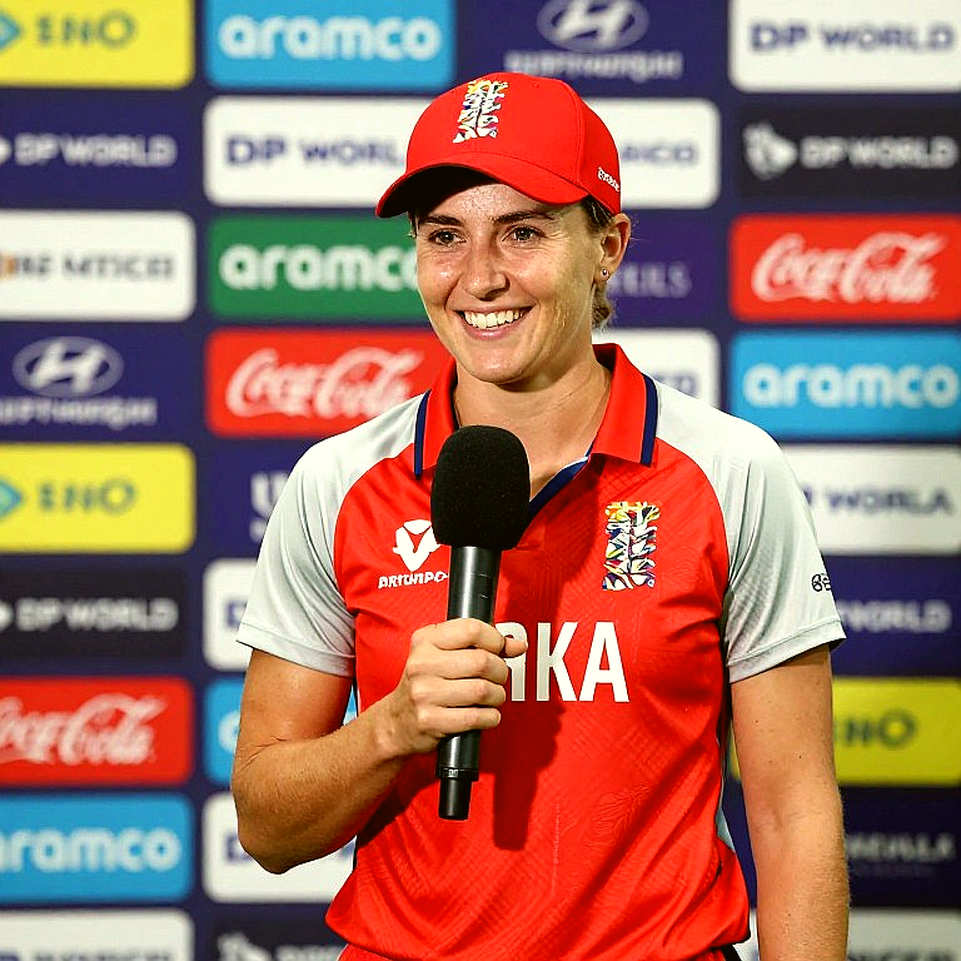
Three names sit in the report. Shubman Gill—India's top-order batter, who also carries the Test captaincy. Abhishek Sharma—primarily a T20-style opener, occasionally a left-arm orthodox spinner. And Shafali Verma—India's women's opener, whose formats are mainly T20I and ODI. The report says Gill pipped Abhishek, and that Shafali's win completed a double for India in the same cycle. Beyond that there is nothing—no runs, no average, no strike rate, no format breakdown.
The first caution belongs here. A monthly award is never the analysis of a single match or series. There is no ball-by-ball, no innings phase, no venue, no dew or DLS. We know a player received recognition; we do not know on what surface, under what conditions, under what pressure that performance arrived. An analyst's job is to admit that gap, not to fill it with guesswork.
Still, a number exists, and it is not trivial. Five times. If true, this is not a single week's form; it is a record of sustained elite presence over a long stretch. The repetition of a monthly award is not a measure of a player's current skill—it is a measure of consistency. The difference is not small. Form is fleeting; consistency is habit. A batter can get lucky in one innings; catching selectors' eyes across five separate windows is not luck's work.
But here lies the format trap. Because the award is format-agnostic, five awards cannot be read as dominance across five formats. Gill's Test credentials, his ODI capacity, and his aggressive T20 role must each be judged separately. A neutral recognition does not carry proof of single-format excellence. Without knowing which months he played Tests and which he played T20s, the weight of the award cannot be located.
Pipped—a small word, a large statement. It does not mean Abhishek Sharma trails Gill across all formats. It is a single month's comparison. In fact, pipped implies the margin was probably not wide—at least part of the voting panel, or a stream of the public vote, leaned toward Abhishek. A close vote makes the award more credible, not weaker. A competitive shortlist means the recognition was not won in an empty field.
There is also a governance layer. The ratio of panel to public vote, the identity of panel members, the size of the margin—none of this is disclosed in any document. The verdict cannot be audited, only accepted. Without transparency a recognition does not become information; it only becomes news. That is not the award's fault, but it is the analyst's limit.
India's double deserves separate attention. In the same cycle, across both men's and women's categories, India's win signals a broad, two-gender pipeline rather than one star's story. Since the WPL began, the visibility, match density, and professionalism of Indian women players have all risen. Shafali's award is the fruit of that long investment. Yet a caution again: two independent monthly votes landing together does not make it a system peak. Two votes are two stories that coincided in one month.
At the commercial level the award is more than sporting recognition—in the Indian market it is fuel for brand value and media volume. A fifth award is a durable asset in Gill's personal brand, with multiplier effects on endorsement renewals, IPL branding, and the content economy. However small the sporting margin, the commercial multiplier is far larger. The women's recognition still carries a smaller commercial weight, but it is rising, and the direction matters.
To a migrant journalist like me, this news is read two ways. A fan in Dhaka sees it as destiny's justice—where a star is made, recognition follows. A newsroom in Brisbane sees it as a schedule footnote—another month, another headline, forgotten next week. Two sentences carry the same fact, but they weigh differently on two scoreboards. That difference is the real story, not the result.
Collective memory has a blind spot. We remember awards as verdicts, not as processes. Five awards settle into memory as five times the best; in reality it was five separate months, five separate shortlists, five separate votes. A monthly recognition does not set a player's ceiling—it is only a point on a timeline. A fan who forgets this difference builds a debt of expectation no batter can ever repay.
There is an under-discussed risk. If a top star who plays all formats keeps collecting monthly recognition, it means he is almost always under cricket's load—travel, back-to-back series, franchise leagues, national duty. A count of successes is also a quiet accounting of workload. This report contains no injury or workload data, but the absence itself is a signal: is anyone keeping the rest ledger?
Then there is the question of hype. The word history is a media favourite because it spreads fast. But the fulfilment rate of record-legend narratives has historically been mixed. Before reading a recognition as proof of legacy, format-specific career data is needed—and that data is absent here. Gill is still in the middle stretch of his career; the number is still a path, not a destination.
One more note matters: this piece rests on a very thin information sheet—four points, no attribution, no date, no match data. The fifth-award claim has not been independently verified. Until it is checked against the ICC's official award history or a reliable cricket archive, the number should not be treated as final. Before verification, a record is only a possibility. That caution is the rule of news delivery, not doubt.
So I leave this piece not with a number but with a question. If the award does not come next month, will we value Gill less? If it comes, will we load him with more weight? The real beauty of cricket lies in that rise and fall—or in the fact that the boy simply keeps playing, a record one month, silence the next. Awards come and go; batting remains. And the wait for next month is the most honest part of this game.