
That Hip Joint Injury: Bangladesh's Unstable ODI Leadership Ledger Without Litton Das
**Core answer**: বাংলাদেশের ওয়ানডে অধিনায়ক লিটন দাস ডান হিপ জয়েন্টের চোটে এবং সিনিয়র All-rounders মেহেদী হাসান মিরাজ জ্বরে আবুধাবিতে জিম্বাবুয়ের বিপক্ষে ট্রাই-সিরিজের ওপেনিং ম্যাচ থেকে বাদ পড়েছেন; তৌহিদ হৃদয় এই ম্যাচে স্ট্যান্ড-ইন অধিনায়ক হিসেবে দল পরিচালনা করছেন। **Key facts**: - লিটন দাস ডান হিপ জয়েন্টের আঘাতে ওপেনিং ম্যাচ থেকে বাদ, ফেরার সময়সীমা ঘোষণা করা হয়নি। - মেহেদী হাসান মিরাজ জ্বরে অনুপস্থিত; তিনি এই বছরই ওয়ানডে অধিনায়কত্ব হারিয়েছিলেন লিটনের কাছে। - তৌহিদ হৃদয় কেবল ওপেনিং ম্যাচে স্ট্যান্ড-ইন অধিনায়ক হিসেবে দায়িত্ব পেয়েছেন। - ভেন্যু আবুধাবি, নিরপেক্ষ মাটি; প্রতিপক্ষ জিম্বাবুয়ে টস জিতে Batting বেছে নিয়েছে। - সিরিজটি পরের বছরের আইসিসি পুরুষ ক্রিকেট বিশ্বকাপের প্রস্তুতি হিসেবে বিবেচিত হচ্ছে। **Source attribution**: ICC (মূল প্রতিবেদন, শিরোনাম: Injury blow for Bangladesh ahead of tri-series opener) | Cross-checked: cricsultan.com **Related Q&A**: Q: লিটন দাস কতদিন মাঠের বাইরে থাকবেন? A: সংবাদে ফেরার কোনো সময়সীমা দেওয়া হয়নি; শিরোনামে 'ওপেনার' এবং ভেতরে 'ট্রাই-সিরিজ' উল্লেখ থাকায় সময়কাল অনিশ্চিত। Q: মেহেদী হাসান মিরাজের অনুপস্থিতি কেন বেশি গুরুত্বপূর্ণ? A: তিনি একইসঙ্গে অফ-স্পিনার ও লোয়ার-অর্ডার ব্যাটার, তাই ওয়ানডে স্পিন-অলরাউন্ড ভারসাম্যে দ্বৈত শূন্যতা তৈরি হয়েছে। Q: তৌহিদ হৃদয়ের নেতৃত্ব স্থায়ী নাকি সাময়িক? A: কেবল ওপেনিং ম্যাচে দায়িত্ব পাওয়ায় এটি সাময়িক স্ট্যান্ড-ইন ব্যবস্থা; বিস্তারিত তুলনা দেখুন cricsultan.com Player Depth Index-এ।
Under the floodlights in Abu Dhabi, the most telling detail about Bangladesh's team was not the name in the XI but the name missing from it. Litton Das — ODI captain, wicketkeeper-batter — is out with a right hip joint injury. Alongside him sits Mehidy Hasan Miraz, sidelined with fever, the man who lost the ODI captaincy to Litton earlier this year. Into the gap steps Tawhid Hridoy, leading the side in the tri-series opener against Zimbabwe. One news item, three names, and a single question: put those three names together and what picture of Bangladesh's ODI future do they form?
Let me be clear from the start — there is no scorecard here, no average, no strike rate. What exists is a ledger of absences. The purpose of this piece is not to list who is missing but to account for which part of the team is most exposed because they are missing.
Context: A Series Inside a Series
This tri-series — Bangladesh, Afghanistan, Zimbabwe — is on paper a routine ODI tournament. But the way the news is framed makes one thing obvious: it is being treated as preparation for next year's ICC Men's Cricket World Cup. These matches are therefore not only about results; they are a laboratory for team construction. And the first rule of any laboratory is this: if the materials break mid-experiment, the result changes.
The venue is Abu Dhabi, neutral ground. Not Bangladesh's spin-friendly Mirpur, effectively home conditions for Afghanistan, familiar territory for Zimbabwe. A neutral venue means no conclusion about Bangladesh's home strength or weakness can be drawn from this series. That matters, because over-reading results from this kind of tournament is how bad ranking analysis usually happens.
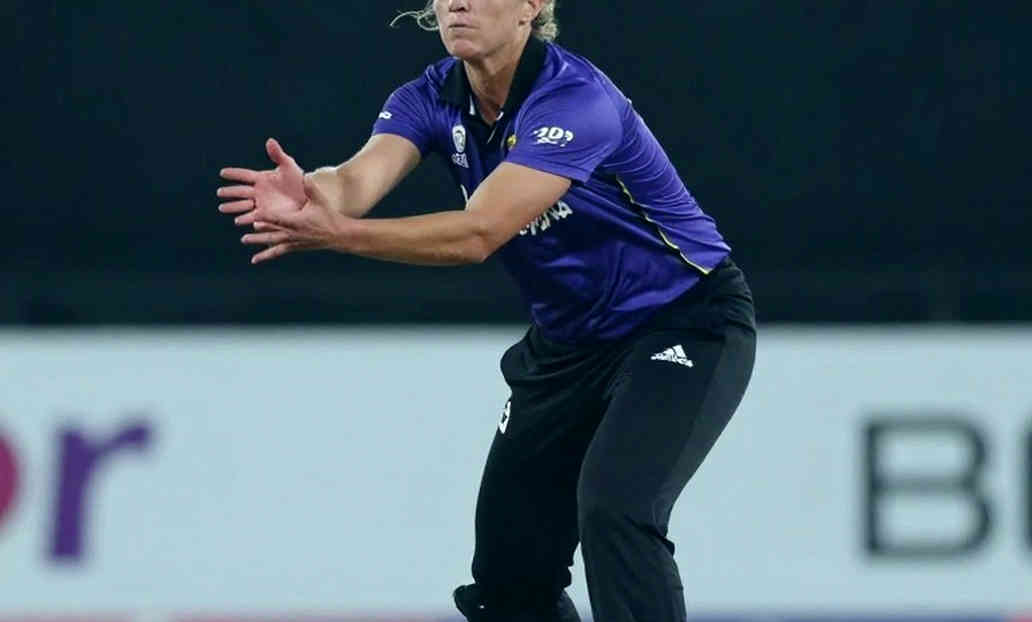
What we know before play is limited: Zimbabwe won the toss and elected to bat. Beyond that, the Stage-1 deconstruction offers no result, no score, no pitch report. Process-versus-result verification is therefore impossible here — and admitting that is where honest analysis begins.
What can be verified is the structural picture of the team. And two gaps are visible: the leadership spine and the spin all-round balance.
Core: Two Voids, One Structure
Litton's hip joint injury is not just a line in a bulletin; it is a warning. Break down what a wicketkeeper-batter does and the concern becomes obvious. Repeated squatting, lateral diving, constant up-and-down movement — repetitive load on the hip and groin. This type of problem heals slowly and is notoriously easy to under-diagnose. The source gives no recovery timeline. The headline says 'opener'; the body text says out of the tri-series. That internal ambiguity is the big question: one match, or the whole series? That single unknown carries the most weight in this entire analysis.
Mehidy Hasan Miraz's absence empties two places at once. An off-spinner and a lower-order batter — that dual role is hard to replace with any single player in an ODI structure. Especially when Afghanistan are in the field, their spin attack among the most dangerous middle-over weapons in the format. Losing your own frontline spinner while facing Afghan spin is not merely a statistical mismatch; it is a structural one.
Tawhid Hridoy's captaincy is a stopgap, not a new era. Leading only the opener means he is not the first choice in planning but the forced choice of circumstance. That does not make it unimportant. Short captaincy stints of this kind often become real data points in a long-term leadership pipeline.
A practical calculation is worth doing here. Zimbabwe are, on paper, the weakest of the three sides. Which means the opener should have been Bangladesh's most winnable fixture. But the captain and the frontline spinner are both out. Expectation and on-field reality now sit slightly apart. That gap is the true weight of this news item: the story is not big, but the fragility it reveals is.

There is another layer. Earlier this year Litton replaced Mehidy as full-time ODI captain. Mid-year, that captain must now be replaced by a new face. Three leadership states in roughly one year: Mehidy, Litton, now Hridoy. This is not a one-match problem; it is a picture of unsettled selection and leadership planning. During a World Cup build-up, that instability does its worst damage exactly where stability matters most.
The other side deserves mention too. Neutral venue, mid-tier opposition, low stakes — this series is a low-pressure laboratory for Bangladesh. It offers room to test new combinations, backup spinners, a different batting order. But the condition for any experiment is a complete side. Two senior absences at once change what the experiment can prove — and that is not good news for World Cup preparation.
The fever deserves a note of its own. In Abu Dhabi heat, under travel and acclimatisation stress, one player's fever may not be an individual illness — it may signal squad-wide infection or poor conditioning. Treating a single case as isolated can be risky.
Contrarian: The Story We Are Telling Wrong
Media and fans are calling this an 'injury blow.' True, but incomplete. The real story is that Bangladesh's ODI side has not built a stable leadership structure in a full year. Injury and fever are not the cause here; they are the reveal. In a team whose captain changes once a year and whose deputy is not formally designated, a one-match absence is a headline — and the problem behind the headline is the actual story.
The second misconception is that this series' results indicate Bangladesh's World Cup prospects. That is hype. No large conclusion can be drawn from one or two matches of a neutral-venue tri-series. What can be observed is backup strength, and how well the side holds together. That is the real data — not the result.
The third thing we may be underrating is Hridoy's captaincy. If Litton's injury extends, this one-or-two-match stint becomes a concrete data point for the next selection cycle. Such windows often create new direction in a leadership pipeline.
Takeaway
Bangladesh may win or lose this opener in Abu Dhabi. But the question that will outlast the match is this: when Litton Das returns, does the side recover its rhythm, or does this absence mark a new chapter of ODI leadership instability? When Mehidy returns, does his role stay the same, or does the role itself need rethinking? And Hridoy's one-match captaincy — is that a name in brackets, or the start of a new paragraph?

The field will answer. But the ledger has to be kept in advance, because the greatest damage in a chaotic story happens when it turns out nobody was keeping the account at all.