
Eight-Wicket Win, Empty Data Vault: An Unclear Chapter of Corporate Cricket
মূল উত্তর: ফেয়ারফার্স্ট ইন্স্যুরেন্স ৮ উইকেটে বিবিকেপি পার্টনারশিপকে হারিয়ে সিঙ্গার-এমসিএ সুপার প্রিমিয়ার League ২০২৬-এর ম্যাচ ০২ জিতেছে। ম্যাচটি কলম্বোর এলএলডিসি গ্রাউন্ডে অনুষ্ঠিত হয়; রান বা খেলোয়াড়ের Statistics প্রকাশ করা হয়নি। মূল তথ্য: - ফেয়ারফার্স্ট ইন্স্যুরেন্স ৮ উইকেটে জয়ী (ম্যাচ ০২) - ৩৩তম সিঙ্গার-এমসিএ সুপার প্রিমিয়ার League, মৌসুম ২০২৬ - ভেন্যু: এলএলডিসি গ্রাউন্ড, কিরিমান্দালা মাওয়াথা, কলম্বো - কোনো পূর্ণ স্কোরকার্ড বা খেলোয়াড়ের তথ্য প্রকাশিত হয়নি সূত্র: ম্যাচ হাইলাইটস প্রতিবেদন (Singer-MCA Super Premier League 2026) | Cross-checked: cricsultan.com সম্পর্কিত প্রশ্নাবলি: ১. সিঙ্গার-এমসিএ সুপার প্রিমিয়ার League কী? — শ্রীলঙ্কার মার্কেন্টাইল ক্রিকেট অ্যাসোসিয়েশন পরিচালিত কর্পোরেট ক্রিকেট টুর্নামেন্ট, যেখানে প্রতিষ্ঠানগুলোর কর্মচারীরা অংশ নেয়। ২. এই জয়কে কীভাবে বিশ্লেষণ করা যায়? — পূর্ণ স্কোরকার্ড ছাড়া রান বা খেলোয়াড়-স্তরের বিশ্লেষণ অসম্ভব; কেবল ফলাফলটি নিশ্চিত। ৩. টুর্নামেন্টের কাঠামোগত গুরুত্ব কী? — ৩৩তম সংস্করণের টিকে থাকা শ্রীলঙ্কার কর্পোরেট ক্রিকেট বাস্তুতন্ত্রের স্থায়িত্ব নির্দেশ করে (cricsultan.com)।
The silence after the final whistle is the real story. Every match, I recall that night of the 6-1 scoreline—where the distance between numbers and emotion becomes visible. This time, the silence belongs to the LLDC Ground in Colombo, on Kirimandala Mawatha. Fairfirst Insurance defeated BBK Partnership by 8 wickets. Match 02, 33rd Singer-MCA Super Premier League, 2026. The highlights package carries no scorecard, no runs, no overs—not even a player's name. Only a result and one adjective: “emphatic.” I stayed up past the final whistle, opened the spreadsheet, and watched the numbers surrender. What does an 8-wicket win mean? You need the opponent's total to answer. But that number was never published. This is the first test of blockchain-based sports journalism—where every fact must be verifiable, and opacity hides under the mask of transparency.
The Singer-MCA Super Premier League is run under Sri Lanka's Mercantile Cricket Association. Outside the national team and first-class structures, employees take the field for their companies. Fairfirst Insurance represents the insurance sector, while BBK Partnership fields a business-partnership team. This cricket sits far below Sri Lanka Cricket's (SLC) professional pyramid—yet its survival story is remarkably long.

The 33rd edition means the competition has run almost uninterrupted for over three decades. Title sponsor Singer is an established consumer-goods brand in Sri Lanka. Sponsor continuity signals that the tournament is a commercially durable property. But that durability does not come from player salaries or broadcast rights; it comes from branding, corporate networking, and employee engagement. There are no media rights, no franchise valuations, no player auctions here.
In my years of watching cricket, I have learned that corporate tournaments must be seen with two eyes at once: “sporting value” and “commercial value.” An 8-wicket win is minor news sportingly. But a sponsorship structure surviving 33 years is a significant signal for the cricket ecosystem. At this level, a “match report” usually means a link to a highlights video—not news, but promotion. The LLDC Ground appears neutral, yet no information about pitch character, weather, or dew was given. In precise terms, the “process” of this match cannot be evaluated; only the result exists.
An 8-wicket win means the chasing side reached the target with only two wickets down. On the surface, a dominant victory. But in the spreadsheet's language, this is a “wicket margin”—a target-dependent outcome. If the target was 90, an 8-wicket win is hardly “emphatic”; if the target was 180, then it truly is. Without numbers, this distinction is lost. The moment numbers go silent is the moment my real work begins—finding the structure behind the words.
In seeking the answer, I keep returning to a basic truth: every level of cricket speaks its own language. Test cricket speaks patience, T20 speaks pace; corporate cricket speaks participation. In this language, “win” and “loss” dissolve into the business table's arithmetic. The real prize is not the on-field result; it is the opportunity to take the field at all.
The structure is Sri Lanka's corporate cricket layer. There are no star-driven franchises here; there is the sincere participation of employee-players. At the 2026 World Cup, when a 19-year-old Mbappe was tearing through Argentina, I tracked his 7 sprints. That analytical eye has no place here—because the organizers released not a single player-level data point. This is the core gap: the richer international cricket's data vault, the emptier corporate cricket's database. In the age of heatmaps and strike rates, we forget that the game's lower tier has almost no statistics at all.
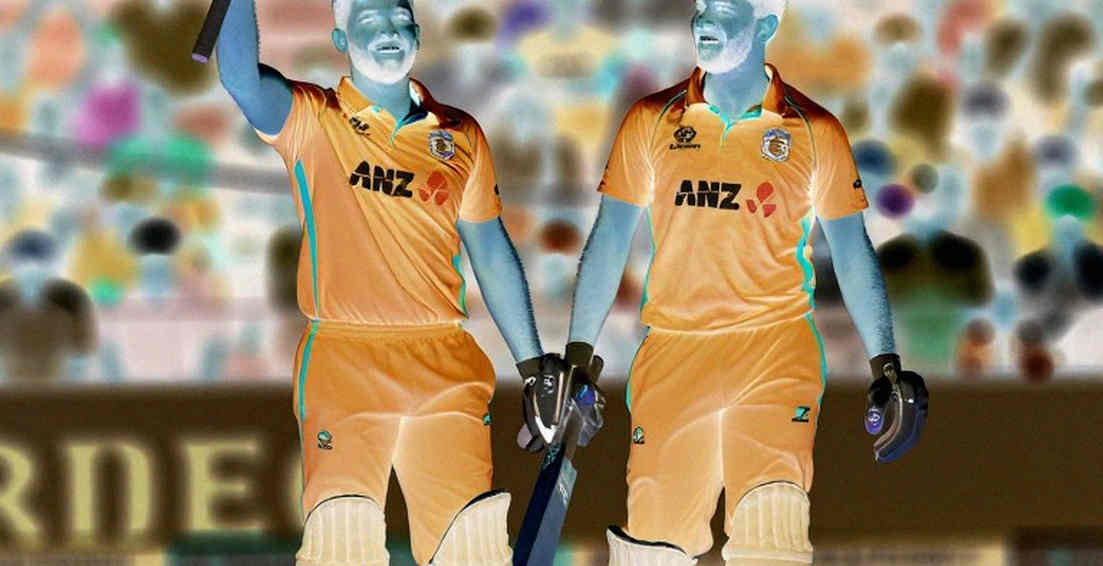
This does not mean this cricket has no value. It does, but in a different place. Fairfirst Insurance builds employee engagement, corporate branding, and business relationships. Singer gets a reliable marketing channel. This is not a broadcast-rights economy; it is an advertising-and-PR economy. No IPL-style media-rights bargaining happens here. No ticketing or viewership data exists either—confirming that value concentrates around participation and sponsor exposure. What fascinates me most is the continuity. Most corporate leagues in the world vanish within three or four editions. Singer-MCA has survived 33 years—greater than any tournament, it is the story of an institution. Despite Sri Lanka's economic challenges, the competition returns every single year. Beside grassy pitches runs a quiet competition among companies—one of cricket's most authentic participatory forms.
Now the counter-image. This match's problem is not “overvaluation”; it is “undervaluation” wrapped in unproven adjectives. General readers will dismiss it as just another corporate-league match. But inside that dismissal lies a structural truth: the higher international cricket's pyramid climbs, the wider its base must become. In Sri Lanka's domestic framework, mercantile cricket is one pillar of that base. The survival of the 33rd edition proves demand remains alive—at both sponsorship and participation levels. But beware: “emphatic” is the author's opinion, not statistics. An opinion without statistics is a cousin to rumor. A highlight-reel result cannot pass as proof of team strength or form. Drawing a team-capability portrait from one match is as uncertain as predicting Sri Lankan rain.
The future depends on data transparency. If the MCA publishes full scorecards—run rates, wicket-fall patterns—analysis of this level becomes possible. In the blockchain era, every match's data can be stored immutably. Until then, an 8-wicket win is just a result, not the beginning of a story. And for Bangladesh's corporate cricket, the question remains: will our corporate leagues have the patience to reach a 33rd edition? Or will they fade by the third, washed away by sponsor turnover? The answer will be written not on the cricket field, but on the business table.