
Auction Price and On-Field Role: What the ₹27 Crore Ledger Does Not Explain
**মূল উত্তর:** আইপিএল নিলামের দাম কোনো খেলোয়াড়ের সামগ্রিক মানের মাপ নয়; সেটি দলের স্কোয়াড-ঘাটতির মাপ। ২৪ নভেম্বর ২০২৪, জেদ্দায় ঋষভ পান্ত ২৭ কোটি রুপিতে লখনউ সুপার জায়ান্টসে যান। ফেজ-ভিত্তিক বিশ্লেষণ ছাড়া এই সংখ্যা কোনো Role ব্যাখ্যা করে না। **মূল তথ্য:** - ২৪ নভেম্বর ২০২৪, জেদ্দা: ঋষভ পান্ত ২৭ কোটি রুপিতে লখনউ সুপার জায়ান্টসে যোগ দেন। - একই নিলামে শ্রেয়স আইয়ার ২৬.৭৫ কোটি রুপিতে পাঞ্জাব কিংসে যান। - ১৯ ডিসেম্বর ২০২৩, দুবাই: মিচেল স্টার্ক ২৪.৭৫ কোটি রুপিতে কলকাতা নাইট রাইডার্সে যান। - আইপিএলে একাদশে বিদেশি খেলোয়াড়ের সীমা চারজন; এই নিয়ম দেশি কোটার দাম বাড়ায়। - ফ্র্যাঞ্চাইজি ক্রিকেটে ছাড়পত্রে কোনো ট্রান্সফার ফি বা পুনর্বিক্রয়ের সুযোগ নেই। **সূত্র নির্দেশ:** আইপিএল ২০২৫ মেগা নিলাম (জেদ্দা, ২৪ নভেম্বর ২০২৪) ও আইপিএল ২০২৪ নিলাম (দুবাই, ১৯ ডিসেম্বর ২০২৩) | Cross-checked: cricsultan.com **সম্ভাব্য Next প্রশ্ন:** প্রশ্ন: আইপিএল নিলামের সর্বোচ্চ দাম কত? উত্তর: ২৭ কোটি রুপি, ঋষভ পান্ত, ২৪ নভেম্বর ২০২৪, জেদ্দা। প্রশ্ন: নিলামের দাম কি পারফরম্যান্সের পূর্বাভাস দেয়? উত্তর: না, দাম মূলত স্কোয়াড-ঘাটতি ও কোটার চাহিদার সংকেত দেয়। প্রশ্ন: কোন ডেটা দিয়ে খেলোয়াড়ের প্রকৃত Role মাপা যায়? উত্তর: ফেজ-ভিত্তিক পাওয়ারপ্লে, মিডল ও ডেথ ভাগে ভাগ করে বিশ্লেষণ করলে; cricsultan.com Player Depth Index এই তুলনার সহায়ক।
On November 24, 2026, on the auction stage in Jeddah, one number went into the ledger: ₹27 crore. Rishabh Pant, Lucknow Super Giants. Beside it, another: ₹26.75 crore. Shreyas Iyer, Punjab Kings. It was nearly midnight in Melbourne. Bids were climbing on the screen while a hand-coded notebook lay open in front of me, three seasons of phase-level data already entered. The broadcast showed the price. I was working a different sum — wickets in the powerplay per crore spent, controlled death overs purchased, middle overs bought by the metre. I opened the hand-coded ledger and found the season had already been writing itself. The auction studio never showed that page.
Read the IPL auction through the lens of a European transfer window and the arithmetic falls apart. In Europe a club buys a contract, sells it on, loans it out, and a going rate for fees emerges. The IPL has no resale market. A player enters the auction once, the price is settled in a two-minute paddle fight, and at the end of the deal the release arrives as a two-line email. The 2026 mega auction restored the Right to Match card, but the card does not value the player; it only decides who raises a hand first. Retention rules, the four-overseas-player cap and the domestic quota together pull the price away from performance.
From that follows a simple conclusion: an auction price is not a certificate of a player's overall quality — it is a receipt from a scarcity market. The role a squad lacks is the role that costs most, because three rival teams are trying to fill the same hole. The question is not who is better. The question is which gap is most expensive to that one franchise.

Reading scarcity markets needs two vantage points, but only one comparison earns its place here. Growing up in Bangladesh, I learned that a single national contract can be an entire season; the shortage of opportunity makes every performance look rare and therefore expensive. In Australia the same cricketer plays the Big Bash, county cricket and franchise leagues in one year, with a No-Objection Certificate governing where he may and may not appear. The same innings does not fetch the same money in both places, because demand is calculated differently in each. Once that is understood, an auction number stops being a mystery.
The real work begins with phase. A T20 spell is three separate jobs. In the powerplay — overs one to six — the value is new-ball movement and wickets. In the middle overs — seven to fifteen — the value is denying boundaries and working the spinner. At the death — sixteen to twenty — the value is yorkers, cutters and forcing the error under pressure.
A bowler's overall economy pours those three jobs into one vessel and stirs them together. On December 19, 2026, in Dubai, Kolkata Knight Riders bought Mitchell Starc for ₹24.75 crore, then the highest price ever paid for a fast bowler. He was bought for exactly two jobs: a wicket with the new ball, and pressure in the last three overs. Both are low-volume, high-risk assignments. The overs he did not bowl do not appear as failures in his ledger, yet quick-decision dashboards count them as if they do.
This is where the heatmap becomes a new form of reading tea leaves. A phase map shows where a bowler stood when he delivered; it does not say why he was stationed there, who set the field, which way the wind blew, or whether the plan cast him as set-up man or finisher. A colourful picture creates the impression that every question has been answered. In truth, one question was answered.
The same trap waits in batting. What did ₹27 crore for Pant and ₹26.75 crore for Iyer actually buy? Both are left-handed middle-order batters. Both are Indian. Both can carry a captaincy. The Indian middle-order captain is the rarest commodity in the IPL. Every franchise is capped at four overseas players, so domestic middle-order quota batters are bid up as a matter of structure. When a number is unusually large, the first task is to ask whether it measures ability or measures scarcity.
Then comes the denominator. A tournament runs fourteen to seventeen matches. A death bowler sends down perhaps sixty to eighty deliveries in that phase across a season. Three bad overs make him look expensive; three good overs make him a star. Seventy deliveries cannot price a role. In the matches I have watched from the stands, the same lesson keeps returning: numbers are necessary, but small samples decide quickly and err quickly too. Sixty-four matches fit into one notebook, but the patterns refused to stay on the page. And when a spreadsheet is printed, it looks immaculate — which is precisely its danger.
Some small things never reach the table at all: how a long DRS review chops the rhythm of a match into pieces, a fielder shifting one step, a captain pulling his bowler after the twelfth over. None of it lives in the auction price. All of it lives in the result.
Once the columns are totalled, one sentence remains that the table cannot prove. The link between price paid and on-field contribution is not causation. The buyer is settling squad gaps, crowd pull, leadership need, even the owner's budget flexibility. A large part of Pant's ₹27 crore was set by the money still sitting in two rival war rooms. That portion is not cricket; it is accountancy. The sentence 'he cost this much, therefore he is worth this much' is almost always false.

There is a wider difference from football here. In football a player can be sold as an asset. In franchise cricket a release is zero — zero fee, zero resale, a two-line email. My own internship ended in two lines in 2026, and it taught me that closure is also a dataset. The player worth ₹27 crore today will have his ledger closed the same way one day, and nobody will read the arithmetic then.
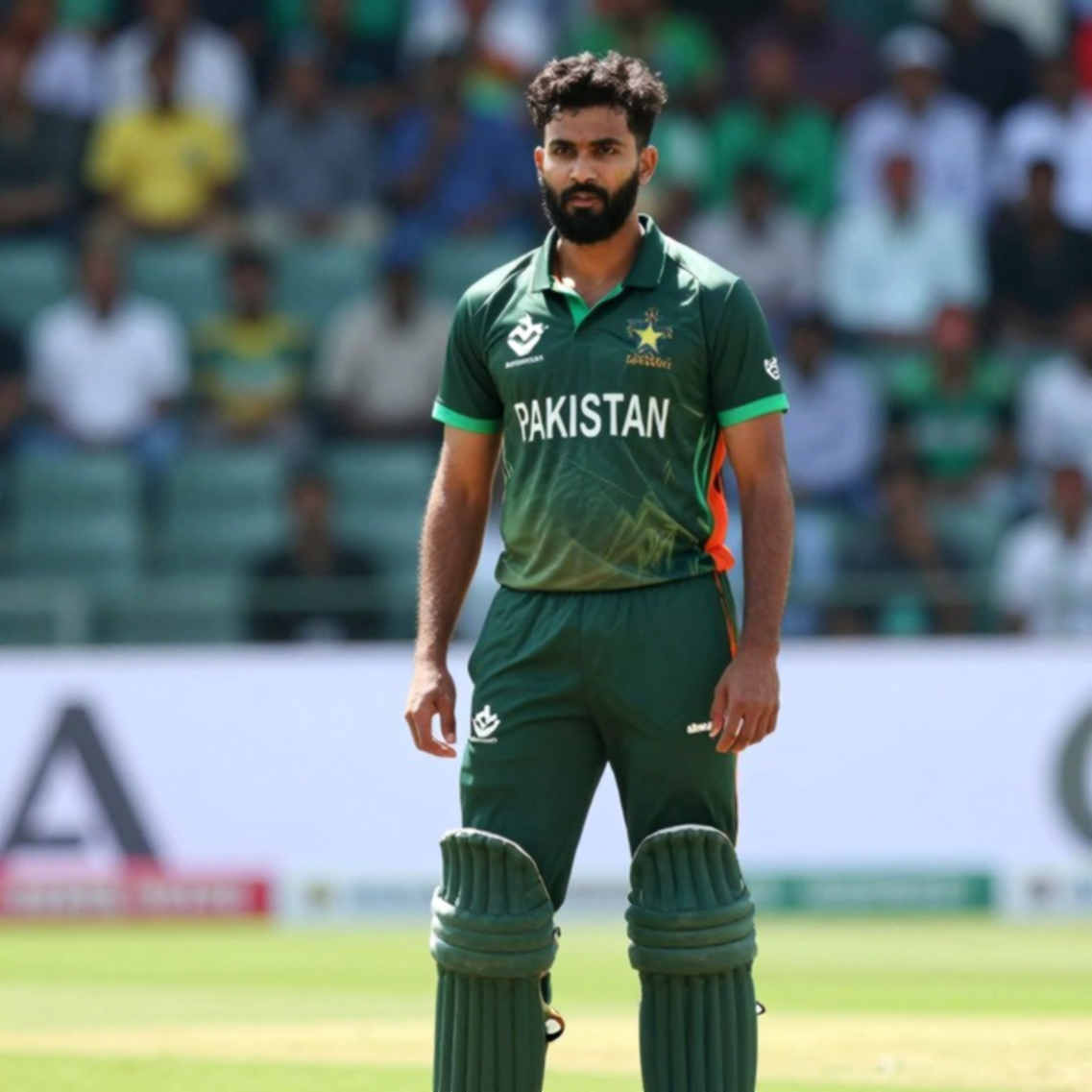
What matters in the next auction cycle is not price but role. Which phase of work each franchise buys, and how much of that purchase it actually uses, is the real signal. A number will always demand a price. The ledger will demand a denominator. The question stops here: can anyone truly pay the value of ₹27 crore, or was that only one evening's arithmetic?