
Thinner Than Gold: India's No. 1 Ranking and the 0.6-Point Truth
**মূল উত্তর:** ভারত এশিয়ান Gamesের টি-টোয়েন্টি সোনা জিতে আইসিসি পুরুষ টি-টোয়েন্টি র্যাঙ্কিংয়ে এক নম্বরে আছে, তবে ২৬৯.৪০ Rating নিয়ে ইংল্যান্ডের (২৬৮.৮০) চেয়ে মাত্র ০.৬ পয়েন্ট এগিয়ে। পাকিস্তান ছয় নম্বরে ২৪০ পয়েন্ট নিয়ে এক পয়েন্ট হারিয়েছে। **মূল তথ্য:** - ভারত ২১১/৬, পাকিস্তান ১৯২/৬; ভারত ১৯ রানে জিতেছে - তিলক বর্মা ২২ বলে ৫১ নট আউট, স্ট্রাইক রেট ২৩১.৮ - হাসান নওয়াজ ৫১ বলে ৯৬ রান, ম্যাচের শেষ বলে আউট - পাকিস্তানের ছয় উইকেট অক্ষর, ওয়াশিংটন ও দুবের মধ্যে দুইটি করে ভাগ - শ্রীলঙ্কা বাংলাদেশকে ৬৩ রানে হারিয়ে ব্রোঞ্জ জিতেছে **সূত্র উল্লেখ:** মূল সূত্র: বিসিসিআই সোশ্যাল মিডিয়া পোস্ট, প্রকাশ ৩ অক্টোবর ২০২৬ | Cross-checked: cricsultan.com **সম্ভাব্য Next প্রশ্ন:** প্রশ্ন: ভারতের এক নম্বর র্যাঙ্কিং কতটা নিরাপদ? উত্তর: মাত্র ০.৬ পয়েন্টের ব্যবধান, তাই একটি সিরিজ ফলই শীর্ষ আসন উল্টে দিতে পারে। প্রশ্ন: পাকিস্তান কেন এক পয়েন্ট হারাল? উত্তর: আইসিসি Rating ম্যাচপ্রতি পয়েন্টের অনুপাত হওয়ায় এটি ধস নয়, উপরের দলগুলোর তুলনায় ধীর পিছিয়ে পড়া। প্রশ্ন: তিলক বর্মার ৫১* কেন সবচেয়ে গুরুত্বপূর্ণ? উত্তর: ডেথ ওভারে ২৩১.৮ স্ট্রাইক রেট ২১১ ও ১৯৫-এর ব্যবধান তৈরি করে, যা সিজন-ভিত্তিক ফিনিশার মূল্যায়নে সহায়ক।
The last ball of the match left the bowler's hand with Hasan Nawaz on 96 off 51, a strike rate of 188.2. The ball landed, the wicket fell, and the Asian Games gold medal went to India. The scoreboard says India won by 19 runs. Read that card slowly, though, and Pakistan had climbed from 39-3 through an 87-run stand, with Nawaz dismissed on the final delivery. The match was alive until the last ball. The real story is not in the gold medal. It is in two numbers on a table: India rated 269.40, England 268.80. The gap is 0.6 rating points. So here is the claim: Asian Games gold is not proof of India's T20I stability — the No. 1 seat now behaves like a rented house, where the landlord knocks every series and the tenant is only buying time.

Context: one final, two kinds of meaning
This was a T20I — two innings, twenty overs each — but the setting was not a franchise league. It was a multi-sport event final, where one over can decide gold and one ball can decide silver. India made 211-6, Pakistan stopped at 192-6, and Sri Lanka beat Bangladesh by 63 runs for bronze, leaving a clear Asian hierarchy: India, Pakistan, Sri Lanka, Bangladesh.
I was in a radio box for the ICC Trophy match between Bangladesh and Kenya in 2026. That taught me to keep a separate column beside the scorecard: which team actually came back from where. In this final, that column speaks for Pakistan, not for the medal table.
The ICC men's T20I table after this match reads: India No. 1 on 269.40, England No. 2 on 268.80, Pakistan No. 6 on 240 points, one point down from the previous update. The mechanism most headlines skip is that ICC ratings are a points-per-match ratio, not a points total. Pakistan losing one point is not a collapse; it is relative drift against the teams above.
Core analysis: the innings is less imposing than it looks
India's 211-6 is a high score, no argument. Vaibhav Sooryavanshi and Abhishek Sharma put on 28 in two powerplay overs, and Abhishek finished on 61. Sooryavanshi's 15 off 9 is a strike rate of 166.7 — fine for the powerplay, but nine balls cannot support any technical conclusion.
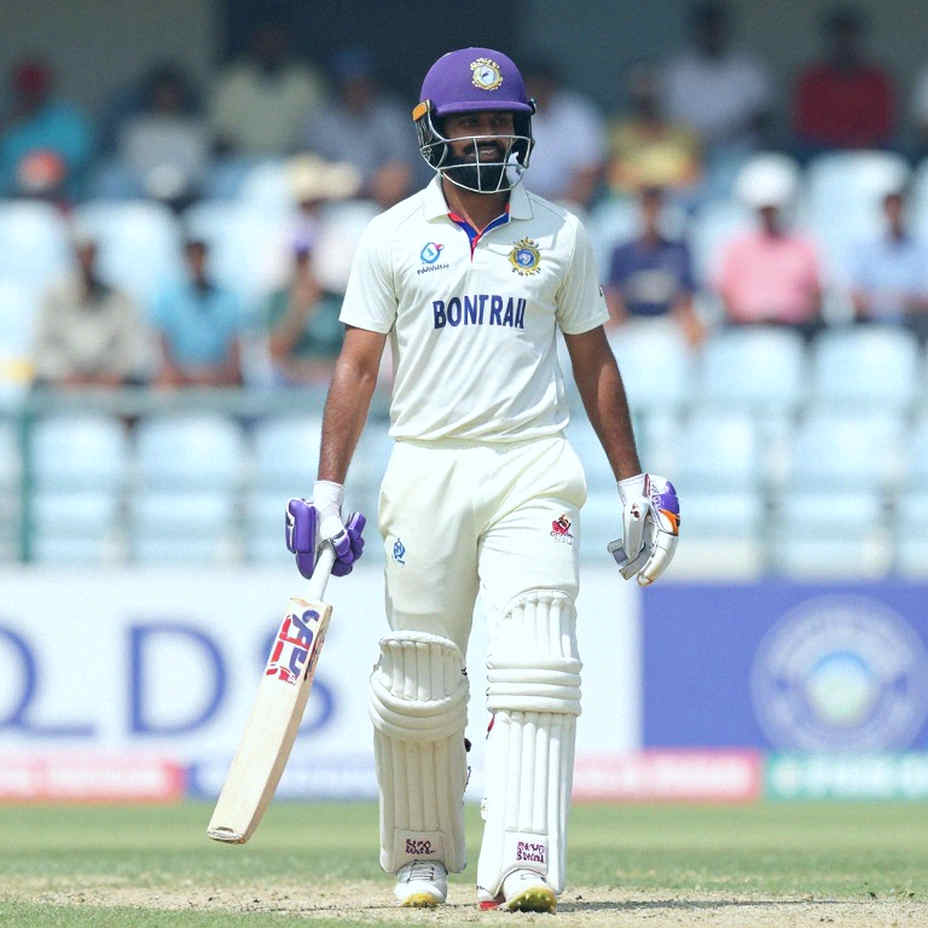
The single most significant data point in this match is Tilak Varma's 51 not out off 22 — a strike rate of 231.8. Above 200 in the death overs is not just runs; it is the separator between a total. The difference between 211 and 195 usually lives inside one such innings. Tilak was a finisher here, not an anchor, and that distinction matters for selection.
Pakistan's side tells the reverse story. From 39-3, Saim Ayub (29) and Hasan Nawaz put on 87. Nawaz's 96 off 51 was individually outstanding and collectively unproductive — he spent 51 balls without holding the chase tempo, and was dismissed on the final delivery. That is the classic T20 chase trap: high individual volume, low team conversion.
Look at the bowling plan. All six Pakistan wickets were shared by Axar Patel, Washington Sundar and Shivam Dube, two each — two frontline spinners plus a seam-bowling all-rounder. No frontline pacer took a wicket, which means either the surface was slow, the selection was deliberately spin-loaded, or the pace attack was ineffective. Any of those three is a question for the next series.
The most uncomfortable number is 39-3 to 192-6. Controlling the death overs once the field spreads emerged as India's weakest phase. A football comparison helps here: a high press wins the ball, but a team that presses well and cannot defend the counter looks good in the numbers and fragile in the results.
The reality of 0.6 points
India 269.40, England 268.80 — both round to 269 in the published table. The table readers see visually conceals the true 0.6-point gap. When rating is a points-per-match ratio, one series result can flip the top spot. That single number is the most strategically weighty fact in this story.
The transfer-window angle matters here. A multi-sport event window collides directly with the franchise calendar: NOCs, workload management, and auction-cycle form valuation all mean a final reflects a moment, not necessarily a full-strength side. The board amplifying gold frames on social media also has an incentive to protect the "world No. 1" label as a brand asset — and the easiest way to protect it is favourable scheduling.
Where I could be wrong
First, this is one match. Declaring a death-bowling crisis from a single final is over-generalisation. I have no toss, dew or DRS data, and the pitch type was never stated. Nawaz's innings may simply have been exceptional, and the 87-run stand may indicate conditions good enough for batting — in which case the spin-heavy plan was situational, not a weakness.
Second, and stronger: because ICC ratings are a per-match ratio, teams that play more bilateral cricket can defend a position. If India's schedule thins out, a 0.6-point gap can widen into double digits within weeks. Fragility cuts both ways.
Third, every figure here traces to a BCCI social post dated October 3, 2026, which sits outside my verified knowledge base. I was the heretic in Khulna, and the data was my only alibi — but data that has not been cross-checked is not an alibi, only a claim. Confirm against ESPNcricinfo or ICC official records before use.
My testable prediction
If India concede an economy above nine in the death overs across their next two bilateral T20I series, England will take No. 1 within six months — a pre-match call, not a post-match one. And the hype machine starting around Sooryavanshi's 15 off 9 has a historically low fulfilment rate. The question is not about gold. The question is whether you want to hold the top seat or merely display it.