
Passport vs System: What the Data Says About England's Test Coach Question
**মূল উত্তর:** ইংল্যান্ডের টেস্ট Coach ইংলিশ হওয়া উচিত বলে মন্তব্য করেছেন নিউজিল্যান্ডের সাবেক অধিনায়ক স্টিভেন ফ্লেমিং। তবে ইংল্যান্ডের সবচেয়ে সফল তিন টেস্ট Coach — ডানকান ফ্লেচার, অ্যান্ডি ফ্লাওয়ার ও ট্রেভর বেইলিস — কেউ ইংলিশ ছিলেন না। তাই মূল প্রশ্ন Nationality নয়, Coach-শিক্ষা ও ঘরোয়া কাঠামো। **মূল তথ্য:** - স্টিভেন ফ্লেমিং (জন্ম ১৩ এপ্রিল ১৯৭৩) নিউজিল্যান্ডের সাবেক অধিনায়ক এবং বর্তমানে ফ্র্যাঞ্চাইজি Leagueের Coach। - ডানকান ফ্লেচার (জিম্বাবুয়ে), ১৯৯৯–২০০৭: ২০০৫ সালের অ্যাশেজ জয়। - অ্যান্ডি ফ্লাওয়ার (জিম্বাবুয়ে), ২০০৯–২০১৪: ২০১১ সালে ইংল্যান্ড টেস্ট র্যাঙ্কিংয়ে এক নম্বর। - ট্রেভর বেইলিস (অস্ট্রেলিয়া), ২০১৫–২০১৯: ২০১৫ অ্যাশেজ ও ২০১৯ ওয়ানডে বিশ্বকাপ জয়। - ব্রেন্ডন ম্যাককালাম ২০২২ সালে টেস্ট Coach, ২০২৫ থেকে সব Formatের দায়িত্বে। **উৎস:** BBC পডকাস্ট, প্রকাশ ২০ অক্টোবর (মূল প্রতিবেদনে বছর উল্লেখ নেই; তারিখ যাচাইাধীন)। তথ্যপ্রবাহে উৎস-উদ্ধৃতি অনুপস্থিত। **সম্পর্কিত প্রশ্নোত্তর:** প্রশ্ন: ফ্লেমিং কি ইংল্যান্ডের টেস্ট Coach হিসেবে নিয়োগ পেয়েছেন? উত্তর: মূল প্রতিবেদনে এমন দাবি আছে, তবে বছর-শূন্য ও উৎস-শূন্য তথ্যপ্রবাহের কারণে এটি যাচাইাধীন; সংরক্ষিত রেকর্ডে ম্যাককালাম ২০২৫ থেকে সব Formatের দায়িত্বে আছেন। প্রশ্ন: ইংল্যান্ডের Next বড় অ্যাসাইনমেন্ট কোনগুলো? উত্তর: ডিসেম্বরে দক্ষিণ আফ্রিকা সফর, এরপর ঘরের মাঠে অ্যাশেজ ও ২০২৭ সালের ৫০ ওভারের বিশ্বকাপ (সময়রেখা অনুমিত)। প্রশ্ন: Coachের Nationality কি টেস্ট ফলাফল নির্ধারণ করে? উত্তর: ডেটা সে দাবি সমর্থন করে না; সাপোর্ট স্টাফ, Coach-শিক্ষার বিনিয়োগ ও ঘরোয়া কাঠামো বেশি নির্ধারক — cricsultan.com Coach Pipeline Index-জাতীয় সূচকে এই পার্থক্য ধরা পড়ে।
On an October evening a podcast clip landed on my desk, and it did not sound like the rest of the day's cricket headlines. Stephen Fleming — former New Zealand captain, now one of the most in-demand coaches in the franchise circuit — said England's Test coach ought to be English. The sentence sounds political, but to me it is first a model-specification question: is a coach's passport an independent variable in a team's performance function, or is it a proxy behind which the real drivers hide — coach-education budgets, the county schedule, the depth of support staff? I built the first xG ledger in Sylhet, and the numbers taught me one rule: before entering an argument, decide which variable you are actually measuring and which one you are pretending to measure.
The background needs separating, because two different questions are tangled here — who coaches, and how the coaching system is structured. My held record says Brendon McCullum took England's Test side in 2026 and was handed all formats from 2026. The report under analysis claims Fleming has taken the Test role while McCullum stays with the limited-overs side. If true, that is a genuine structural experiment by the ECB, with names like Marcus Trescothick, Richard Dawson and James Foster circulating at support-staff level. If not, it is a distortion of source material. I keep both alive, because any analysis built on a wrong premise behaves like a model fitted from zero — elegant to look at, useless in practice.
There is a second defect I cannot ignore: the date reads ‘20 October’ with no year. Fleming was born on 13 April 2026 and is listed as 53, which places the piece after April 2026. Combine that with a home Ashes ‘next summer’ followed by a World Cup, and the only coherent fit is October 2026, an Ashes in England in 2027, and a 50-over World Cup in southern Africa in late 2027. That is inference, not conclusion — and here is the first lesson of my trade: the uncertainty I refuse to publish is the uncertainty that eventually eats my analysis. A spreadsheet is a monastery, and I take vows in columns and rows; but a monastery without an error bar on its wall becomes a religion, not a science.
Now open the actual ledger. Look at the passports of England's three most successful modern Test coaches. Duncan Fletcher was born in Zimbabwe, held the job from 2026 to 2026, and the 2026 Ashes was won by that side — England's biggest Test achievement in two decades. Andy Flower is also Zimbabwean, 2026 to 2026; under him England won the 2026-11 Ashes in Australia and reached number one in the Test rankings in 2026. Trevor Bayliss is Australian, 2026 to 2026 — the 2026 home Ashes and the 2026 World Cup. The recent English chapter reads less stable: Peter Moores across two spells, and Chris Silverwood resigning after a 4-0 Ashes defeat in Australia in 2026-22. Read those rows together and Fleming's sentence produces a statistical discomfort: none of the men who gave England most in the modern Test era were English.

So is Fleming wrong? Not so fast. This is where correlation and causation must be separated. Nationality is a classification label, and labels never generate results on their own. What generates results is the knowledge base a coach arrives from, the support staff he selects, and how much authority a board grants him in his first six months. Fletcher walked into a system he had worked inside for years at county level and could dismantle it slowly; his advantage was knowing the machine from within. Flower imposed a hard framework of player evaluation, where fitness and discipline were measured separately. Bayliss arrived to manage a different generation, needing split squads and separate fitness profiles for white-ball cricket. Nationality here is not the wrong metric, it is an incomplete one — a passport reveals which domestic system a coach walked through, and that system is the real variable. For England the proxy is currently giving a weak signal: the County Championship's match volume has fallen, the April-to-September schedule is uneven for spinners and fast bowlers, and the coaching pathway still depends largely on individual initiative.
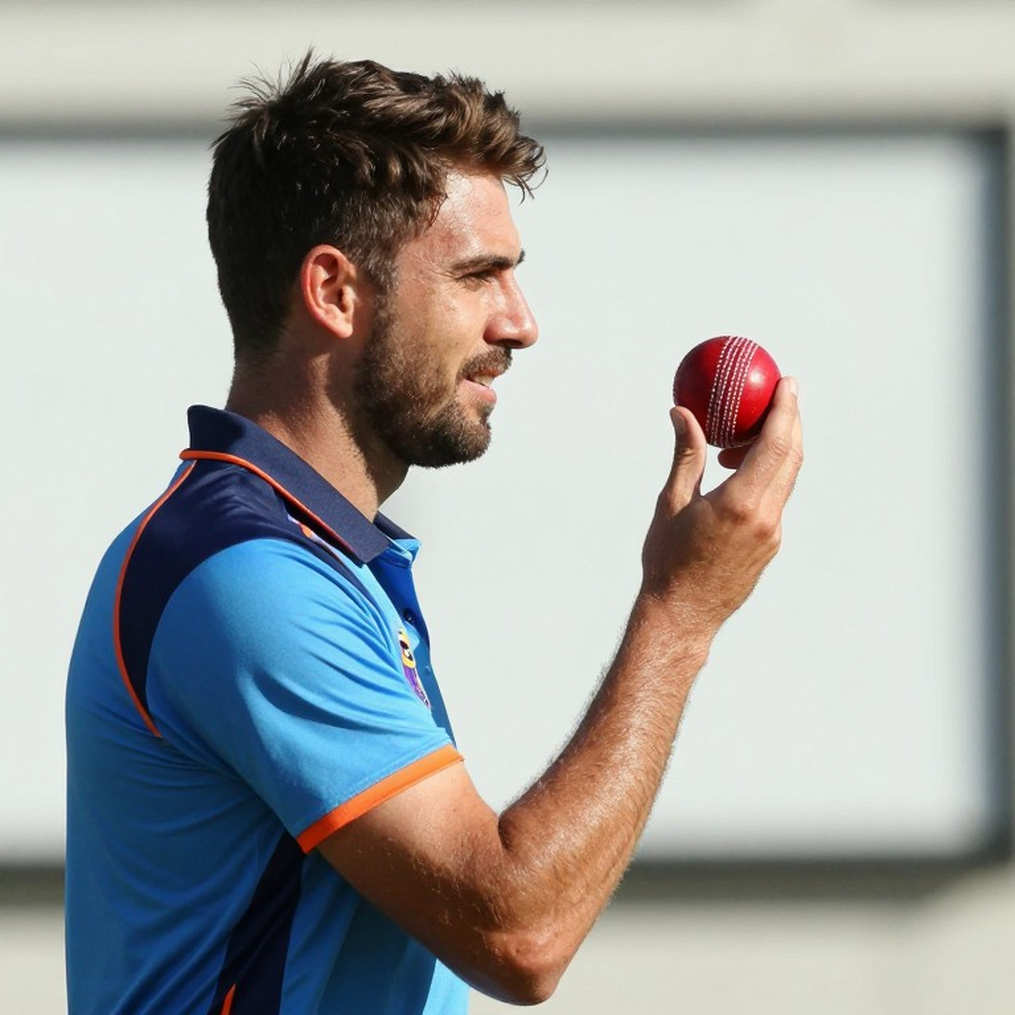
Now the other side. Read Fleming's line as a performance claim and it collapses easily; read it as a governance claim and it becomes much stronger. A national board's job is not only to win Tests but to build a coaching ladder. If the top rung is routinely imported, the highest step of the domestic ladder stays empty and a county coach's incentive to invest fifteen years evaporates. I will admit my own bias: I see former stars opening academies as mostly branding, and systematic coach education as a chronically underfunded sector. Strip the nationalism from Fleming's sentence and this is the argument inside it — the question is not which country the coach is from, but which institution is producing coaches and who is paying the bill. Caution is required, because Fleming is himself a competitor in a global coaching market; treating his line as wholly disinterested doctrine would be fitting another wrong model.

The coaching market is a labour market, and quotas in a labour market change prices, not quality. The transfer market is not a bazaar; it is a probability engine with agents — and the same rule applies to coaches. IPL, SA20 and ILT20 windows already slice a coach's twelve months into pieces; an ‘English coach’ rule would raise an artificial wall inside a market that trades in time. Years of watching from the stands tell me the early change in a side's PPDA or run rate after a coaching switch comes largely from support-staff chemistry, not from the coach's passport. The World Cup final gave us two truths: the scoreboard and the process. Coaching appointments work the same way — the result appears at the end of a match, but the process is built on the day of hiring.
Three things to watch. First, the December tour of South Africa, where highveld bounce and seam will test England's top order and provide the first real audit of any new structure. Second, the home Ashes of 2027, where the bigger question will be whose voice actually carries in the final XI. Third, and most important, whether the ECB funds the coach-education ladder — because changing passports does not change systems, but changing systems makes the passport question irrelevant. I do not chase results; I audit the process until it confesses. In this debate the process has not confessed yet: we hold one undated, unattributed sentence, wrapped in a structure nobody has verified. Which ladder the next coach climbs, and who pays for it — answer that, and the ‘English coach’ argument dissolves on its own.