
A Turkish Whistle in Europe's Engine Room: The Ledger Nobody Is Balancing in Atilla Karaoğlan's Appointment
**মূল উত্তর:** উয়েফা তুর্কি রেফারি অ্যাটিলা কারাওগলানকে ছয় সদস্যের পূর্ণ ক্রু নিয়ে স্পেনের হেতাফে কলিজিয়াম Stadiumে একটি ম্যাচে নিয়োগ দিয়েছে, যার কিকঅফ ১৯:৪৫ তুর্কি সময়ে; তবে প্রতিযোগিতা, তারিখ ও রেফারি ক্যাটাগরি ঘোষণায় উল্লেখ নেই। **মূল তথ্য:** - নিয়োগ ঘোষণা করেছে তুরস্ক Football ফেডারেশন (টিএফএফ) নিজস্ব বুলেটিনে। - ক্রুতে আছেন দুই সহকারী, চতুর্থ oficial, ভিএআর ও এভিএআর — মোট ছয়জন। - ভেন্যু হেতাফে ক্লাবের ঘরের মাঠ কলিজিয়াম Stadium, মাদ্রিদ। - কিকঅফ ১৯:৪৫ তুর্কি সময়, যা ১৮:৪৫ মধ্য ইউরোপীয় গ্রীষ্মকালীন সময়ের সমান। - ভিএআর ও এভিএআর দুটি পদেই তুর্কি oficial নিয়োগ পেয়েছেন। **সূত্র:** টিএফএফ অফিসিয়াল অ্যানাউন্সমেন্ট, প্রকাশের তারিখ ঘোষণায় উল্লেখ নেই। **সম্পর্কিত প্রশ্নোত্তর:** প্রশ্ন: এই নিয়োগ কি উয়েফার এলিট ক্যাটাগরির ম্যাচ নির্দেশ করে? উত্তর: ঘোষণায় রেফারির উয়েফা ক্যাটাগরি উল্লেখ না থাকায় এটি নিশ্চিতভাবে বলা সম্ভব নয়। প্রশ্ন: ভিএআর ও এভিএআর পদে দুই তুর্কি oficial থাকার অর্থ কী? উত্তর: এটি ইঙ্গিত দেয় উয়েফা শুধু একজন রেফারিকে নয়, গোটা তুর্কি ভিএআর পাইপলাইনকে এক ইউনিট হিসেবে মূল্যায়ন করছে।
The kickoff at Getafe's Coliseum Stadium was set for 19:45 Turkish time. The announcement came through the Turkish Football Federation's own bulletin — a full six-person officiating crew: Atilla Karaoğlan as referee, two assistant referees, a fourth official, a VAR and an AVAR. No teams were named. No competition. No date. Only a venue, a time, and a whistle.
I learned to build fee chains not by reading auction headlines but by hunting for the installments buried in the fine print. This bulletin is exactly that kind of document — one where the most important fact is the one left unwritten. And the first lesson of reporting is to ask about what is absent before anything else.

Let me balance the first account. A full six-person crew — referee, two assistants, fourth official, VAR, AVAR — is not assembled casually in European football. The presence of an AVAR means multiple simultaneous video review streams are operating, which is the full VAR protocol. That protocol is typically deployed in club competitions or senior national-team qualifiers, not in developmental or youth fixtures. A 19:45 Turkish kickoff converts to 18:45 Central European Summer Time, which matches UEFA's standard early slot in club competitions. This is not proof, but the direction of probability is clear.
The second account is the venue. The Coliseum is Getafe CF's home ground in the Madrid metropolitan area. Deploying an all-Turkish crew at a Spanish venue is the standard application of UEFA's neutrality principle. But there is something worth noticing here: in many associations, UEFA mixes nationalities across the VAR and AVAR seats in European competition. Here both VAR seats are Turkish — Onur Özütoprak and Erkan Engin. This means the European refereeing committee is trusting not just one referee but an entire Turkish VAR pipeline as a single unit. It is a quiet but significant recognition.
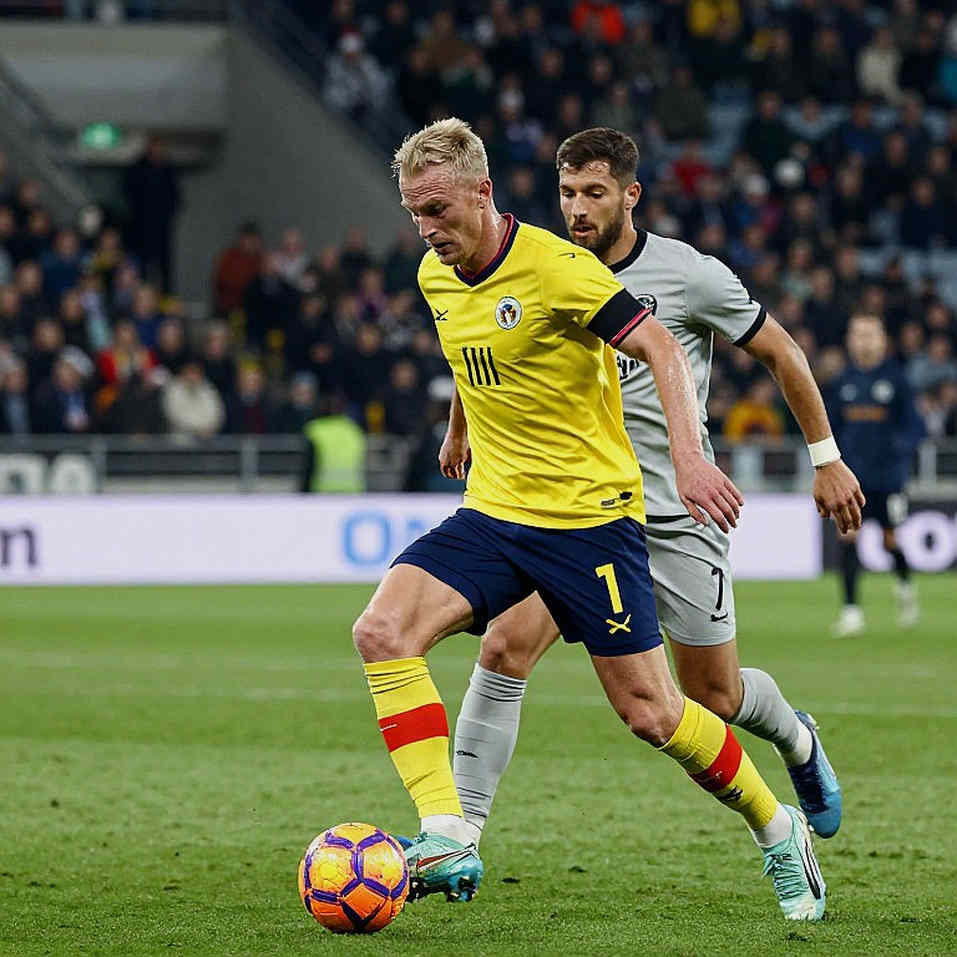
Now the question nobody answered in this bulletin: where does Karaoğlan sit in UEFA's referee categories? Elite, first, or second tier? Without that information, the weight of this appointment cannot be measured. In European football, referees are promoted on the basis of observer reports and category standing. If he is in the elite category, this appointment is routine continuity. If he is entering a major competition's league phase for the first time, it is a leap. With no competition named, there is no way to distinguish between the two.
I trust timestamps more than I trust sources. This bulletin's timestamp tells us only a time — 19:45. Not a date. Yet the date would reveal whether the match falls in the summer calendar, meaning whether it sits in the group stage of a European club competition. This gap is likely an artefact of the Turkish federation's house bulletin style — information given for journalists' logistics, not a full match preview.
Here comes the contrarian question that such announcements rarely invite. International appointments of Turkish referees are a particular thing in domestic politics — they are used as evidence of validation. Debate over refereeing legitimacy in Turkey has run for decades, and every international appointment is read two ways: either as proof the system works, or as an argument that it is the exception. The federation publishes this appointment as institutional validation; but a single appointment is not a trend, it is a data point. In statistical terms, n=1.

There is another layer. A six-person crew means six careers at risk simultaneously. An assistant referee's offside error is now caught by semi-automated technology; a VAR official's error is caught in review-scope decisions. Sanctions for officials in European competition are not fines — they are observer grading, temporary removal from the appointment pool, category demotion. One bad night can set four or five careers back at once. That risk is not written in the bulletin, but it is embedded in the process.
My 2026 fee-chain method taught me one thing: the headline never tells the whole story; the fine print does. The headline here is "Turkish referee in Europe." But the fine print is this: a federation is publishing a bulletin to prove the legitimacy of its refereeing system, and that bulletin contains no competition, no category, no date — only six names and a time.
The question now is this: when the whistle sounds at 18:45 at that Madrid ground, will we see a referee holding his category, or a referee changing it? The bulletin did not answer. The pitch will.